Ancient Tattoos and Archaeology: What Ötzi Can—and Cannot—Tell Us
Explore how preserved tattoos illuminate the past while reminding us to separate physical evidence from assumptions about meaning.
A remarkable surviving record
Ötzi, the naturally preserved Iceman, offers a rare opportunity to study marks on a body from approximately 5,300 years ago. The South Tyrol Museum of Archaeology records 61 tattoos in groups of lines and crosses. Their survival makes them important evidence for researchers interested in the human relationship with body marking. Evidence this unusual also invites a careful distinction between what can be observed and what must be interpreted.
The marks do not explain themselves
Researchers can record location, shape, and relationships to other physical evidence. Those observations cannot provide a complete account of what the tattoos meant to their wearer. Possible functions have been debated, including therapeutic interpretations, but a simple design does not establish a single purpose. The absence of a surviving explanation from the person matters. Historical writing should acknowledge that gap rather than filling it with a confident modern story.
One individual is not the whole past
Ötzi is a valuable case study, not a representative of every ancient tattoo practice. Communities in different places and periods need to be considered through their own evidence. A line on preserved skin cannot tell us that all body art began for the same reason. Archaeological preservation is also uneven: materials and bodies that survive can shape our picture of history more strongly than those that do not.
A useful lesson for contemporary culture
This distinction between visible form and personal meaning remains relevant today. Looking at someone’s tattoo does not give an observer unrestricted access to its story. The archaeological record encourages curiosity while also teaching restraint. We can appreciate the depth of body art history without pretending that every question has been settled. The most compelling account leaves room for evidence, interpretation, and the limits of each.
Source and image context
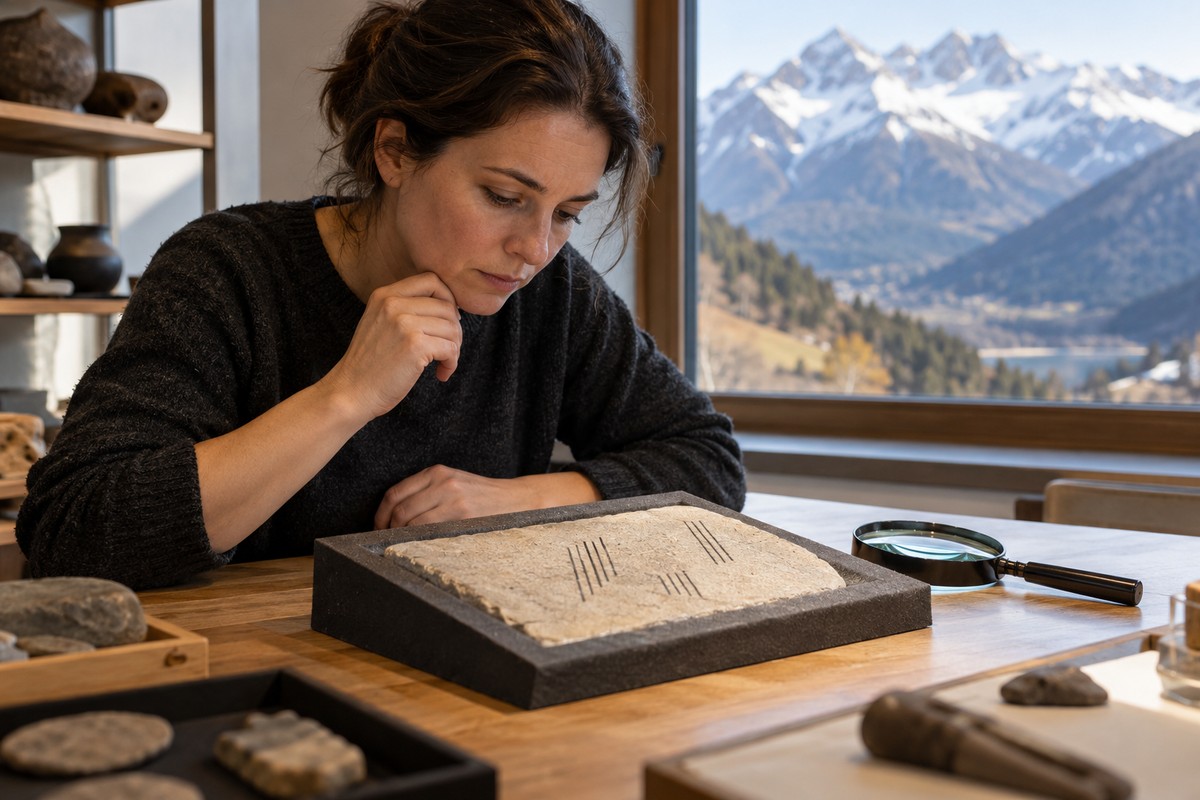
See the South Tyrol Museum of Archaeology’s account of Ötzi’s body. The generated feature image is a contemporary illustrative research scene, not an archaeological photograph.